
James Cameron's Avatar, released in 2009, was a groundbreaking film that transported audiences to the breathtaking world of Pandora. The movie's success led to the development of various video games, including James Cameron's Avatar: The Game, which allowed players to experience the magic of Pandora firsthand. However, with the game's popularity came a surge in demand for activation keygens, which raised concerns about piracy and game security.
The story follows Elias, a low-level data-miner living in a cramped apartment. He didn’t just want to play the game; he wanted to see how the code breathed. When he finally tracked down the "TOP" version of the keygen—rumored to be the only one that bypassed the strict Ubisoft "Taggant" server—he didn't find a simple window with a "Generate" button.
The keygen essentially reverse-engineered the offline activation algorithm, making it possible to generate a valid response for any given Hardware ID without communicating with official servers.
The PC version, in particular, was protected by a strong anti-piracy system: . This system did not rely on a simple, universal CD key. Instead, it used a hardware-locked offline activation method. During the initial launch, the game displayed a unique "Hardware ID" based on the user's computer components. This ID had to be entered into a separate activation tool to generate a matching "Activation Key," thereby linking the game license to a single machine. The de-listing of the game from digital stores due to licensing expiration, combined with the complexity of its DRM, created a problem for legitimate owners trying to reinstall their game years later.
Viruses that lock your personal files and demand payment. 2. The "Disable Antivirus" Trap
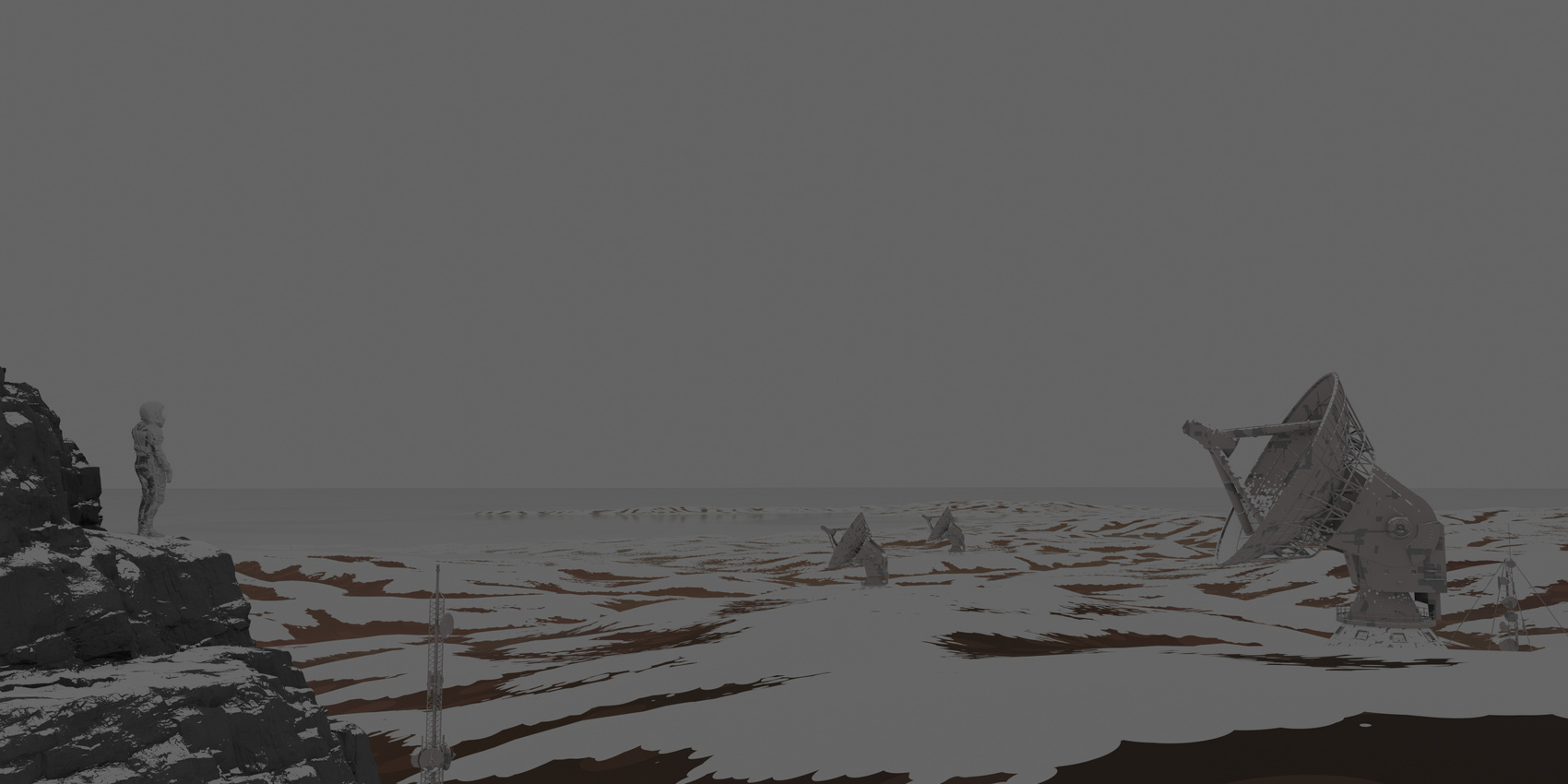
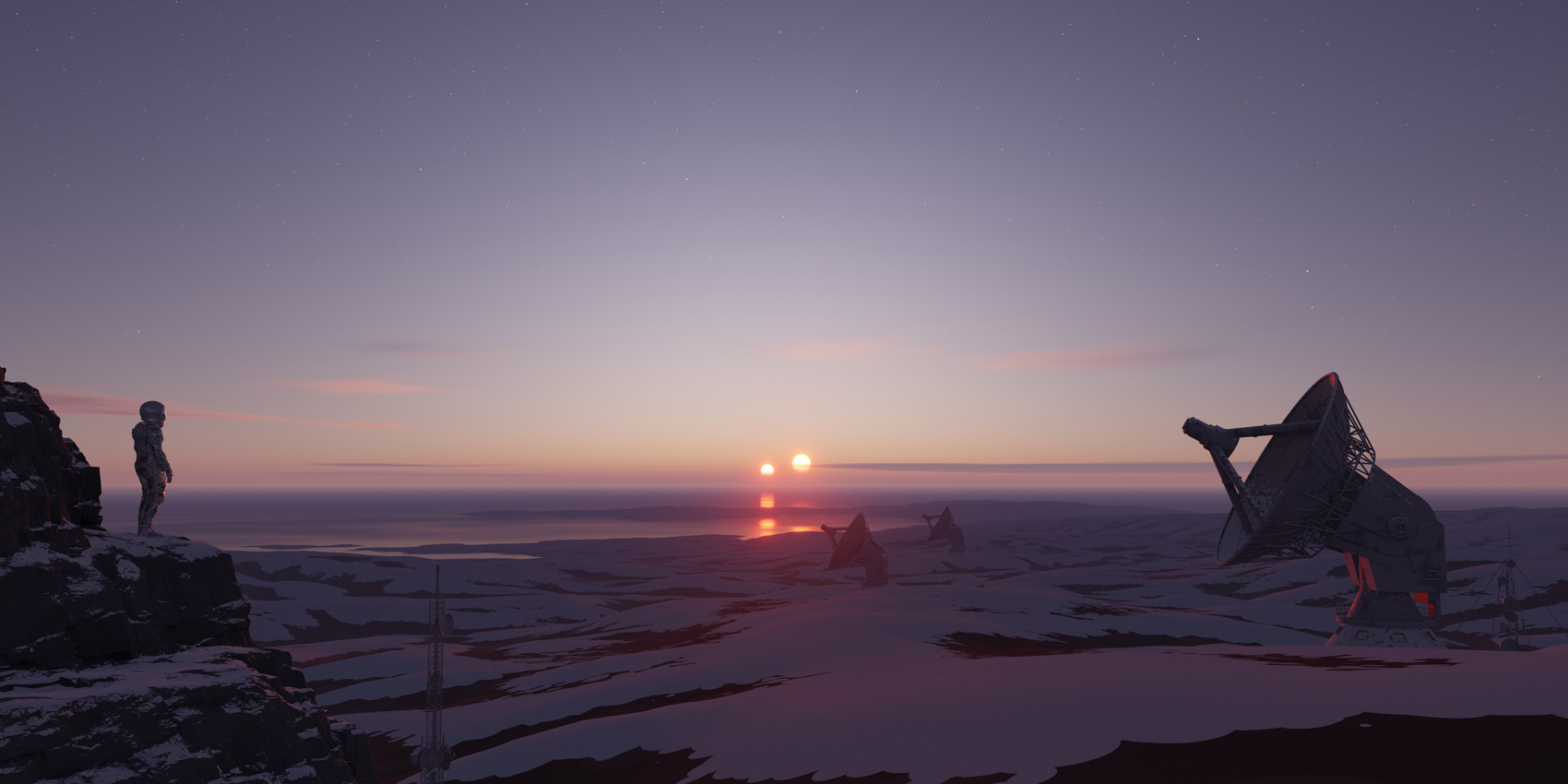
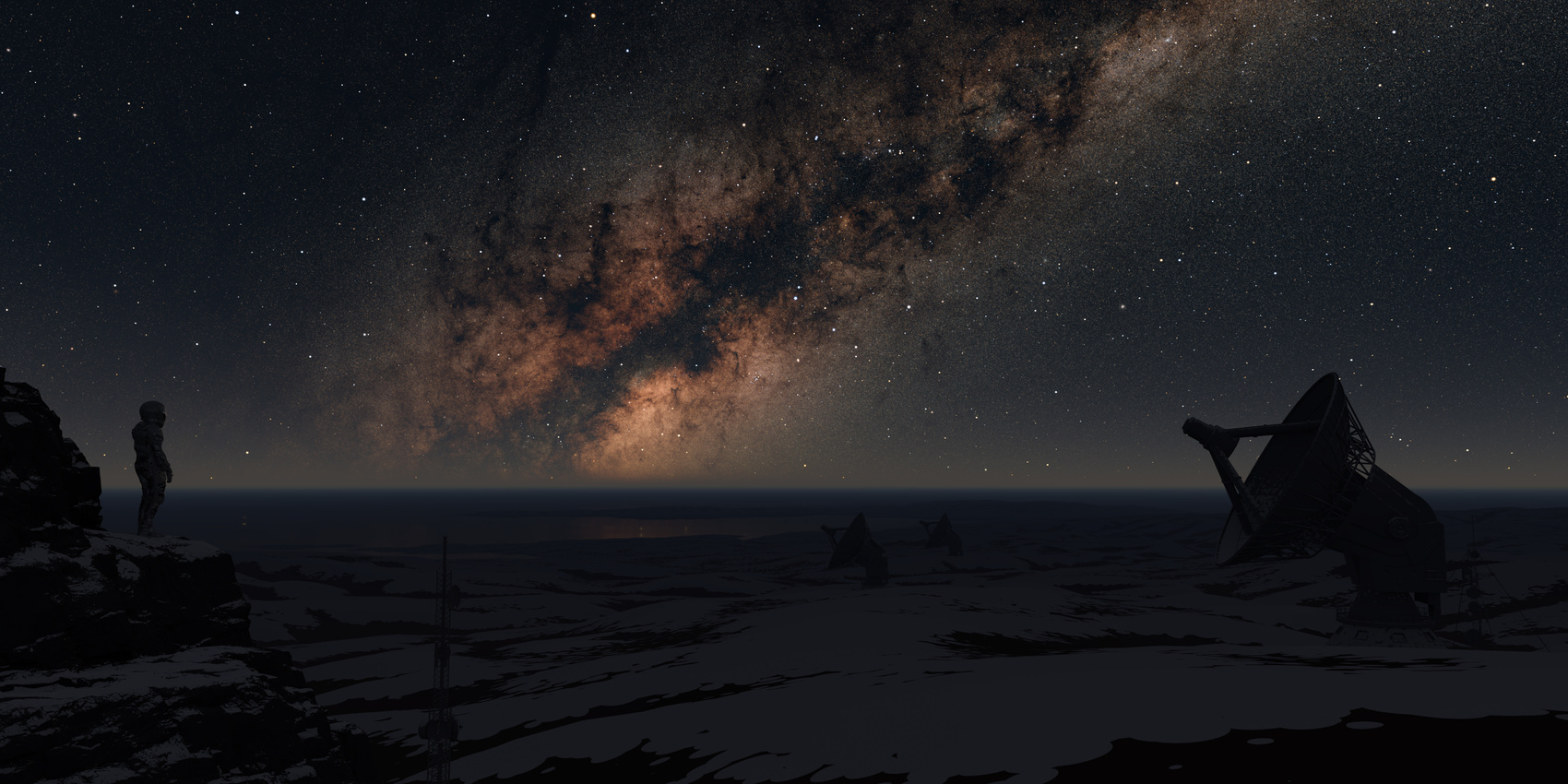
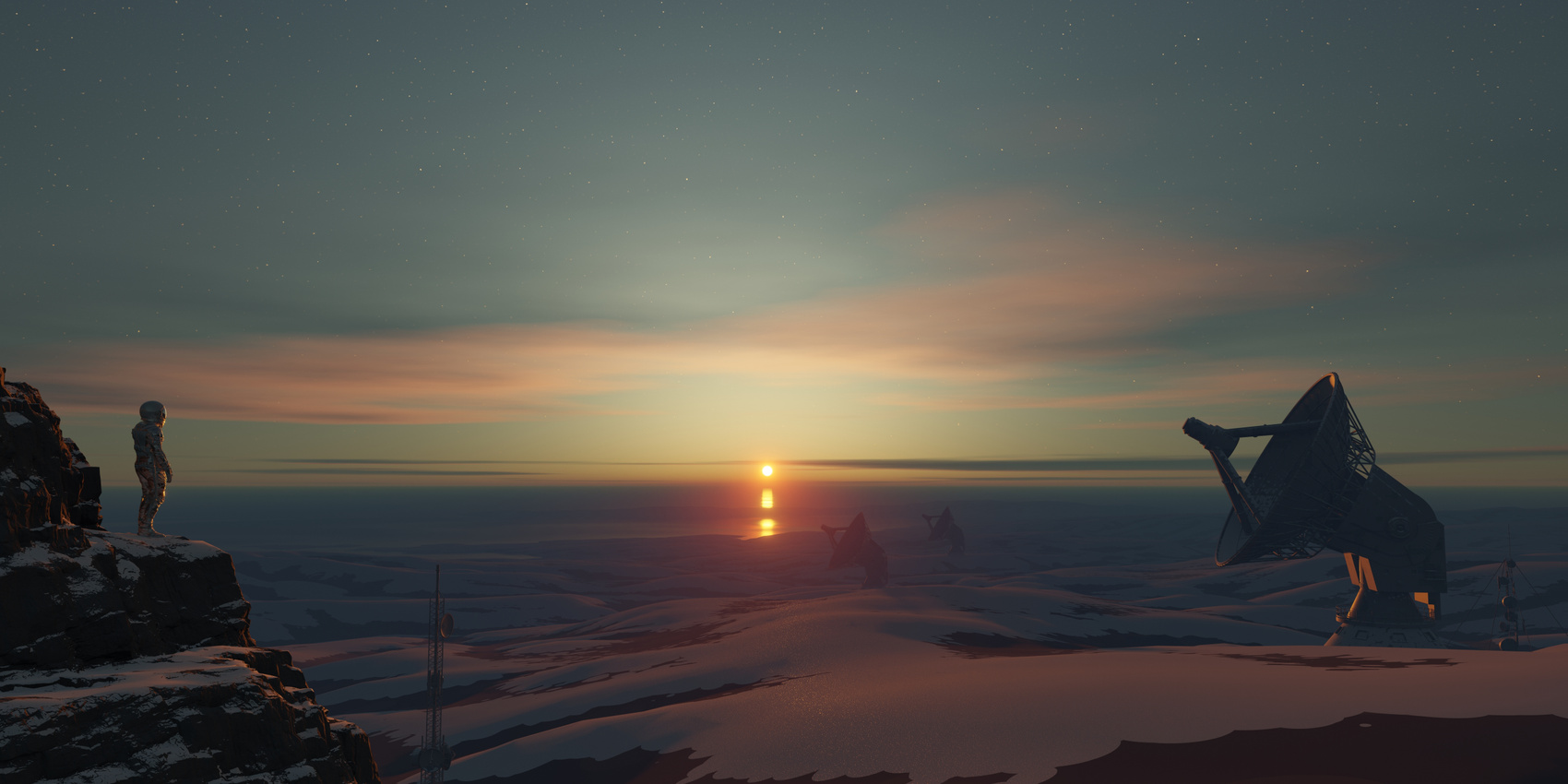
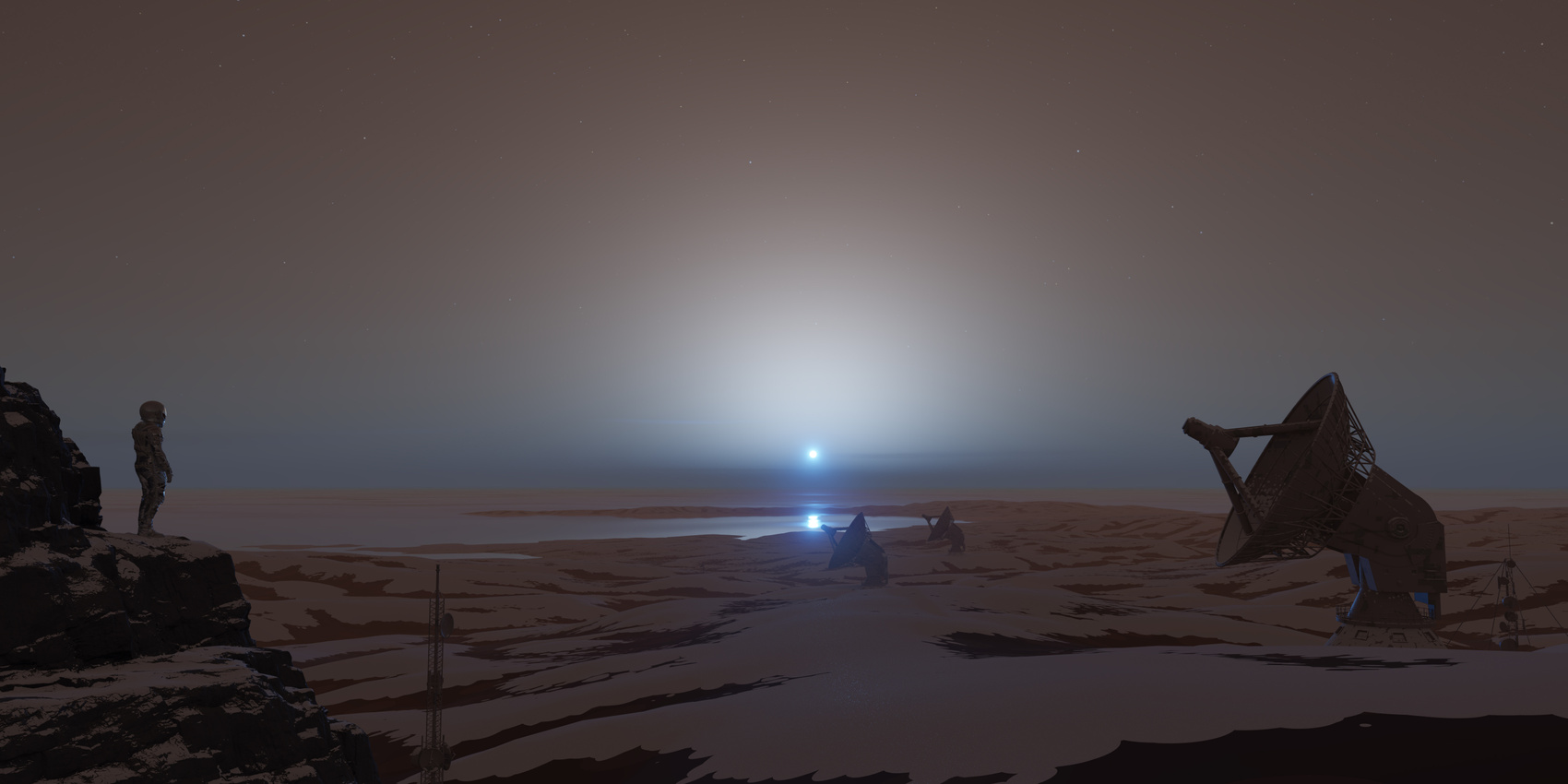
This addon saves hours that usually are invested in manually creating sky, atmosphere and placing sun object and stars, and automates it within a single click.
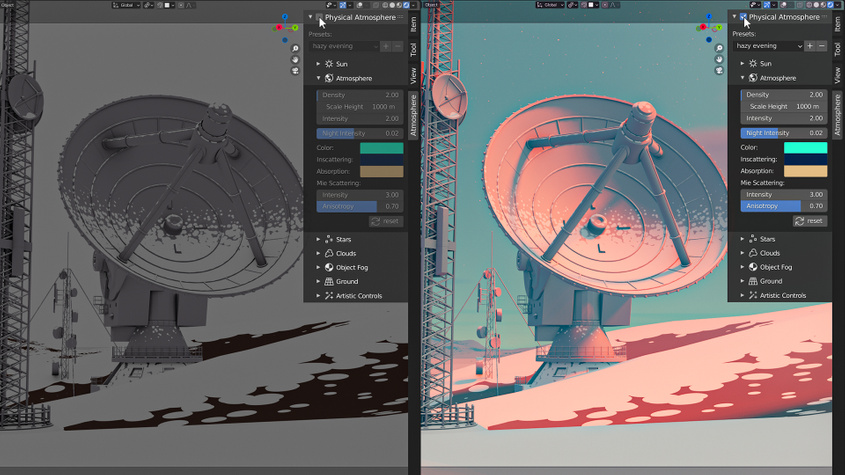
We have more than a decade of experience with atmosphere rendering techniques in computer graphics industry. Physical Starlight and Atmosphere addon is used in entertainment, film, automotive, aerospace and architectural visualisation industries.
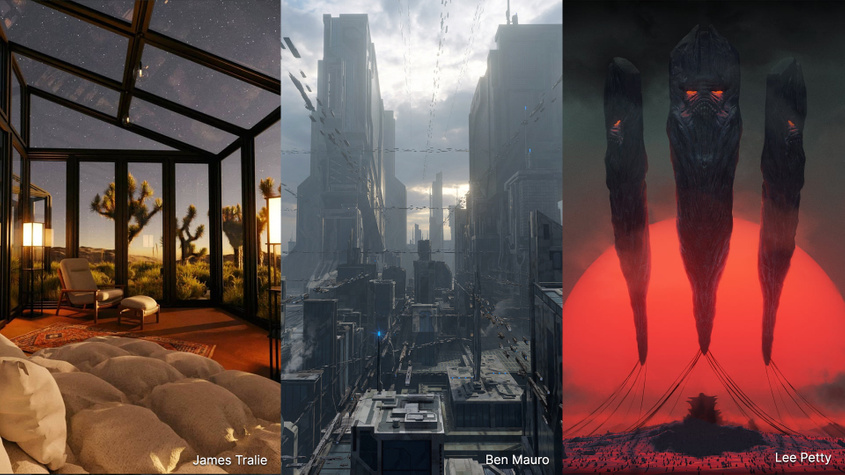
Presets allow to store a snapshot of your customized atmosphere settings and return to it later or use already predefined presets provided by the addon.
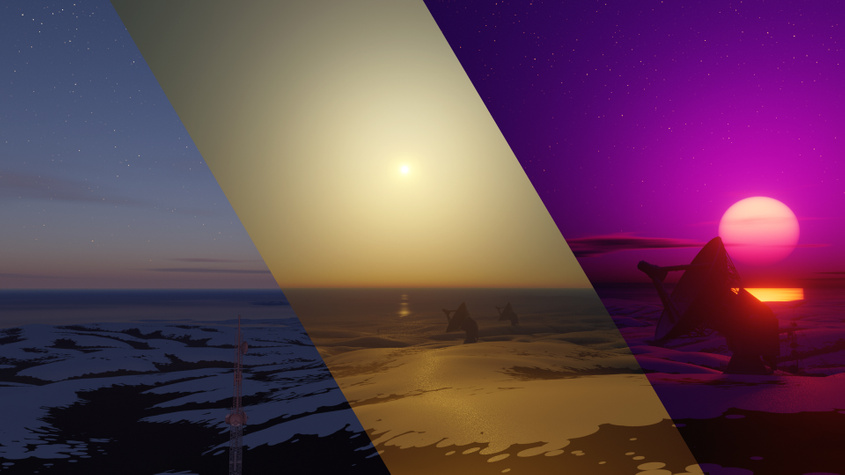
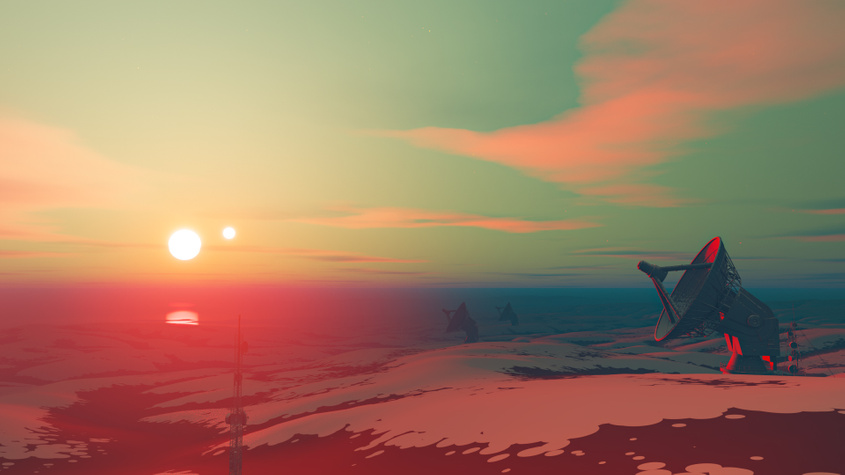
We use a procedural method of calculating the atmosphere based on many tweakable parameters, so that sky color is not limited only to the Earth's atmosphere.
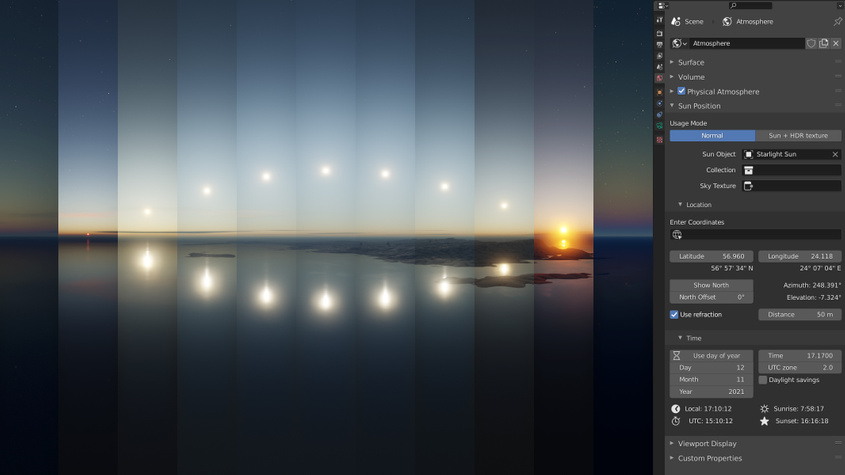
Works well in combination with Blender Sun Position addon. You can simulate any weather at any time.

"Physical Starlight and Atmosphere has been an invaluable tool for me in my personal/professional work and a huge missing link for lighting in Blender. It still feels like magic every time I use it, I can't recommend it highly enough!"

"Physical Starlight and Atmosphere has been an essential add-on for all of my environmental design projects. It gives me such incredibly flexibility and control over the look and feel of my renders. Lighting is key for any project, and this add-on always gives my work that extra edge."

"As a lighting artist, focusing on the overall mood of an image is super important. Physical Starlight and Atmosphere is based on reality, so I can spend all of my time iterating on the look without worrying about how to achieve it. "

"I love the tool. It has been my go-to since I picked it up a couple of months ago."

"My work life has become super easier since I started using Physical Starlight and Atmosphere, it cut down a lot of technical headache associated with setting up a believable lighting condition and gave me more time to concentrate on the creative part of my design process."
James Cameron's Avatar, released in 2009, was a groundbreaking film that transported audiences to the breathtaking world of Pandora. The movie's success led to the development of various video games, including James Cameron's Avatar: The Game, which allowed players to experience the magic of Pandora firsthand. However, with the game's popularity came a surge in demand for activation keygens, which raised concerns about piracy and game security.
The story follows Elias, a low-level data-miner living in a cramped apartment. He didn’t just want to play the game; he wanted to see how the code breathed. When he finally tracked down the "TOP" version of the keygen—rumored to be the only one that bypassed the strict Ubisoft "Taggant" server—he didn't find a simple window with a "Generate" button.
The keygen essentially reverse-engineered the offline activation algorithm, making it possible to generate a valid response for any given Hardware ID without communicating with official servers.
The PC version, in particular, was protected by a strong anti-piracy system: . This system did not rely on a simple, universal CD key. Instead, it used a hardware-locked offline activation method. During the initial launch, the game displayed a unique "Hardware ID" based on the user's computer components. This ID had to be entered into a separate activation tool to generate a matching "Activation Key," thereby linking the game license to a single machine. The de-listing of the game from digital stores due to licensing expiration, combined with the complexity of its DRM, created a problem for legitimate owners trying to reinstall their game years later.
Viruses that lock your personal files and demand payment. 2. The "Disable Antivirus" Trap